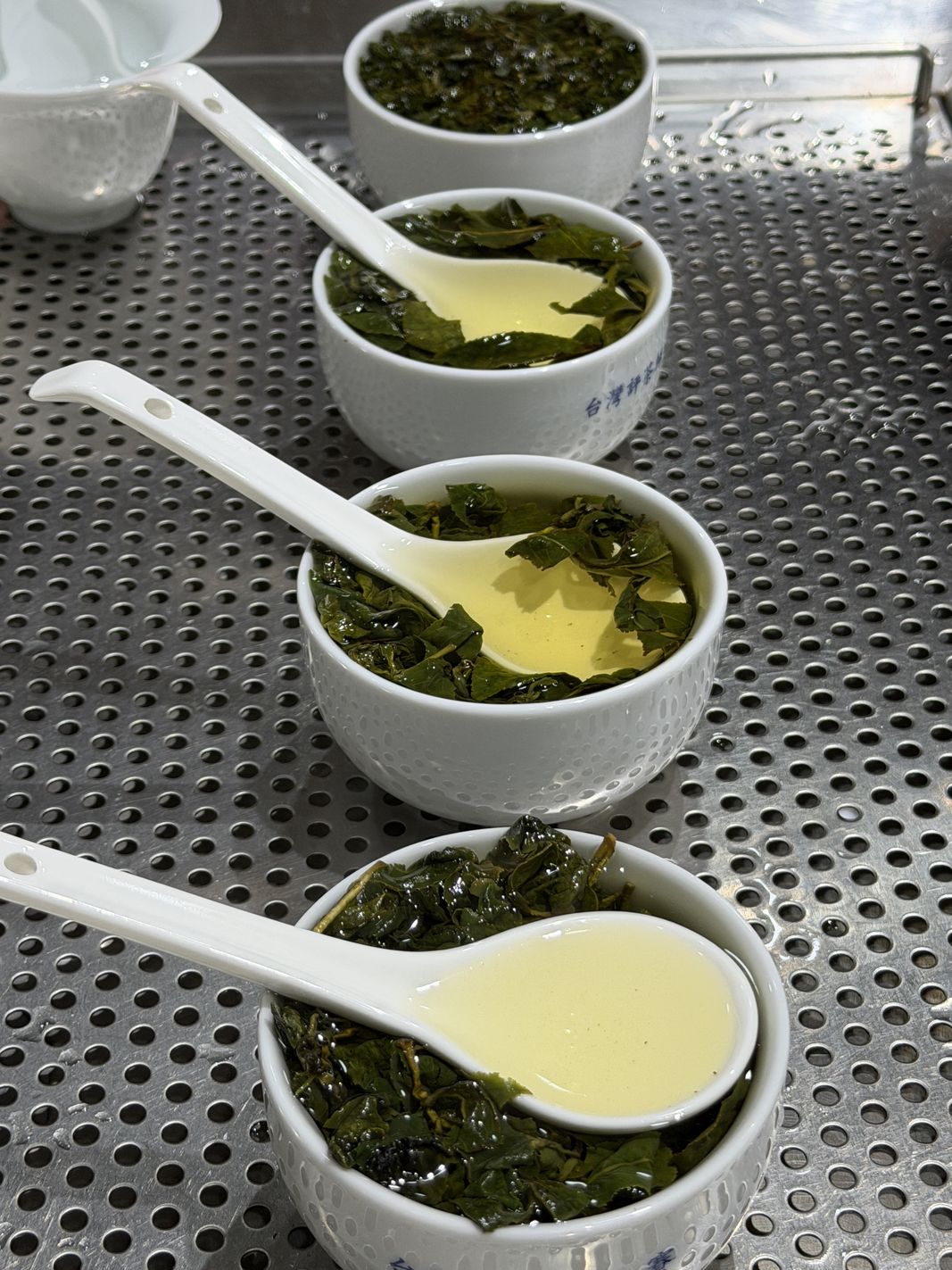
Brewing Good Tea Well Takes Only Three Numbers
Bitterness usually isn't the tea's fault — it's three numbers that weren't quite right.
The same bag of tea: one person brews it sweet and clean, another draws out only bitterness. High-mountain oolong is easy to live with — the hard part is that we brew by feel, and forget to give it the gentleness it asks for. The wind off the mountain, my father's hands rolling the leaf: by the time it reaches yours, it comes down to three simple numbers. The rest you can leave to the mood of the moment.
1. Leaf: the clean simplicity of 1:20
The golden ratio: 7 to 8 grams of leaf to 140 to 160 millilitres of water.
By eye: no scale, no problem. Rolled high-mountain oolong is dense and compact — cover the base of the pot, filling about a quarter of it. In hot water it will slowly open back into its true shape.
A gentle reminder: too little only tastes thin, and time will fix it; too much, and the bitterness never comes back. 1:20 is the most forgiving place to begin.
2. Water: 95–100°C, the warmth of the mountain
Good tea needs heat to wake leaves that have been rolled so tightly. Brew the moment the kettle boils — the water will settle to around 95°C as it hits the pot. Hot enough, and the aroma lifts.
Use clean, filtered water, so nothing gets in the way of what Lishan and Alishan taste like.
3. Time: 1 min 30 sec for the first steep, then let it breathe
Waking the leaf: pour in hot water, wait about 10 seconds, then discard it. This rinse loosens the rolled leaves and warms the pot.
How it unfolds: after the rinse, the first and second steeps run 1 min 30 sec each, the third 1 min 40 sec, and every round after gets 10 seconds more. Skip the rinse and each steep needs about 40 seconds longer. The same leaves re-steep 4 to 5 times, the body slowly thinning and turning sweeter.
The secret that matters most: pour every steep out completely, leaving nothing behind. It is the smallest thing, and the one that saves you from bitterness.
When a cup still tastes bitter
Astringency — that drying feel on the tongue — means too much leaf or too long a steep: pull the time back 10 to 20 seconds first.
Bitterness comes from heat and time layered together: shorten the time, and keep the aroma that high-mountain tea is treasured for.
On storing it kindly
Tea fears light, damp and stray smells. Unopened, give it a cool, dry corner; once opened, press the air out, seal it carefully, and take your time finishing it within three months.
And keep it away from spices and coffee — tea absorbs odours readily, and those smells will quietly settle into the leaf.
Numbers Are Only a Starting Point, Never a Rule
My father has been making tea for over thirty years, and every batch that comes down the mountain he still brews a pot and sits with it until the cup is empty. He never watches a timer, but he keeps the rhythm in himself. Hold to 1:20, brew the moment it boils, pour it out clean. This afternoon, make yourself a good cup of tea.